
onan 4000 generator manual pdf
Onan 4000 Generator Manual PDF: A Comprehensive Guide
This guide details the Onan 4000 generator, offering crucial information for safe operation and maintenance, mirroring historical accounts of Onan’s duty․
The Onan 4000 generator represents a robust power solution, historically linked to the biblical figure Onan, whose story centers around duty and lineage․ This portable unit delivers reliable electricity for various applications, from recreational use to emergency backup․ Understanding its components and operation is paramount for maximizing performance and longevity․ This manual serves as a comprehensive resource, detailing everything from safety precautions to troubleshooting common issues․
Proper utilization ensures efficient power delivery, echoing the importance of fulfilling obligations, as seen in the narrative surrounding Onan․
Understanding the Importance of the Manual
This Onan 4000 generator manual is vital for safe and effective operation, much like understanding ancient laws surrounding lineage and duty, exemplified by the story of Onan․ It details critical safety procedures, preventing potential hazards during operation and maintenance․ Ignoring the manual’s guidance could lead to generator damage, personal injury, or voided warranty coverage․
Familiarizing yourself with its contents ensures optimal performance and extends the generator’s lifespan, mirroring the consequences of neglecting one’s responsibilities․

Safety Precautions
Prioritize safety! This section outlines crucial guidelines for electrical, fuel handling, and general operation, preventing hazards and ensuring responsible use․
General Safety Guidelines
Always operate the Onan 4000 generator in a well-ventilated area, free from flammable materials, to prevent carbon monoxide poisoning and fire hazards․ Regularly inspect the generator for any damage, including loose connections or fuel leaks, before each use․
Never operate the generator during wet conditions, and ensure it’s properly grounded to avoid electrical shock․ Keep children and pets away from the operating generator․ Adhere to all local regulations regarding generator usage and noise levels․
Always disconnect the spark plug wire before performing any maintenance or repairs․ Be mindful of hot surfaces during and after operation․
Electrical Safety
Prioritize electrical safety when using the Onan 4000 generator․ Always connect appliances directly to the generator’s outlets, avoiding extension cords whenever possible․ If cords are necessary, ensure they are heavy-duty and properly grounded․
Never overload the generator; adhere to the specified wattage limits to prevent damage and potential fire hazards․ Avoid operating the generator in damp or wet conditions, as this increases the risk of electrical shock․
Regularly inspect all electrical connections for wear and tear․
Fuel Handling Safety
Exercise extreme caution when handling fuel for your Onan 4000 generator․ Always shut down the generator and allow it to cool completely before refueling․ Refuel outdoors in a well-ventilated area, away from any ignition sources like sparks or open flames․
Use a funnel to prevent spills and avoid overfilling the fuel tank․
Store fuel in an approved container, clearly labeled, and in a secure location away from living areas․ Wipe up any spills immediately and dispose of contaminated materials properly․

Generator Components & Features
The Onan 4000 boasts a robust engine, efficient alternator, intuitive control panel, and a reliable fuel system – key elements for dependable power․
Engine Specifications
The Onan 4000 generator is typically powered by a single-cylinder, four-stroke engine, often a model from the CCKA series․ Displacement generally ranges around 305cc, providing substantial power for its size․
It’s air-cooled, ensuring reliable operation in various environments․ The engine utilizes a recoil start mechanism, alongside potential electric start options depending on the specific model․ Fuel consumption is optimized for extended runtime, and the engine is designed for durability and longevity․
Oil capacity is crucial for proper lubrication, usually around 1․2 quarts with a recommended oil type of SAE 30․
Alternator Details
The Onan 4000 generator features a robust, self-excited alternator designed for consistent power delivery․ It typically produces a continuous output of 4000 watts, with peak surges capable of handling higher loads momentarily․
The alternator utilizes a revolving field design, contributing to its efficiency and compact size․ Voltage regulation is maintained through an automatic voltage regulator (AVR), ensuring stable output even under varying loads․
Frequency is consistently maintained at 60Hz, suitable for powering a wide range of electrical devices․
Control Panel Overview
The Onan 4000 generator’s control panel is centrally located for easy access and operation․ Key components include the start/stop switch, choke control for cold starting, and an hour meter for tracking runtime․
Circuit breakers protect against overloads, while voltage and frequency displays provide real-time performance monitoring․
A low oil shutdown indicator prevents engine damage, and a fuel gauge displays remaining fuel levels․
Warning lights alert the operator to potential issues․
Fuel System Components
The Onan 4000 generator’s fuel system comprises a robust fuel tank, a fuel pump ensuring consistent fuel delivery, and a fuel filter preventing contaminants from reaching the engine․
A carburetor mixes air and fuel for optimal combustion, while a fuel shut-off valve allows for safe maintenance and storage․
Fuel lines connect these components, and a vent cap regulates tank pressure․
Regularly inspect fuel lines for cracks and ensure the fuel filter is clean for peak performance․

Starting and Operating Procedures
Follow the pre-start checklist, ensuring proper connections and fuel levels, before initiating the generator; monitor output carefully during operation․
Pre-Start Checklist
Before initiating operation, a thorough pre-start checklist is paramount for ensuring both safety and optimal performance of the Onan 4000 generator․ First, verify the oil level, adding if necessary, and inspect the air filter for cleanliness․
Confirm adequate fuel supply and check for any leaks․ Examine all electrical connections, ensuring they are secure and free from corrosion․
Finally, ensure the generator is positioned on a stable, level surface in a well-ventilated area, clear of any obstructions․
Starting the Generator
To initiate the Onan 4000 generator, first ensure the fuel valve is open and the circuit breaker is reset․ Turn the ignition switch to the ‘ON’ position and allow the automatic choke to engage․
Firmly grasp the recoil starter handle and pull smoothly, avoiding rapid jerks․
Once the engine starts, gradually adjust the choke for stable operation․ Monitor the voltage and frequency readings on the control panel to confirm proper functionality․
Loading the Generator
When powering appliances with the Onan 4000, begin with devices requiring the least wattage to avoid overloading the system․ Gradually introduce higher-demand items, carefully monitoring the generator’s performance․
Never exceed the rated wattage, as this can cause damage or shutdown․
Avoid sudden, large load increases; stagger startup times for optimal efficiency․ Regularly check the generator’s output to ensure it meets the connected devices’ requirements, maintaining stable power delivery․
Monitoring Performance
Regularly observe the Onan 4000’s voltmeter and frequency gauge to ensure stable output, crucial for sensitive electronics․ Listen for any unusual noises – changes can indicate potential issues needing immediate attention․
Check the oil level and coolant temperature frequently during operation․
Monitor fuel consumption to estimate runtime and plan refueling accordingly․ Consistent monitoring, like diligent adherence to duty, prevents unexpected failures and extends the generator’s lifespan, ensuring reliable power;

Maintenance Schedule
Adhering to a strict schedule—oil changes, filter cleaning, spark plug checks—ensures optimal performance and longevity, mirroring responsible stewardship and duty․
Regular Maintenance Tasks
Consistent upkeep is vital for reliable operation․ Regularly inspect all fluid levels – oil, coolant (if applicable) – and top off as needed․ Check for any leaks around the engine and fuel system․ Clean the exterior of the generator to prevent debris buildup, which can hinder cooling․
Inspect wiring for damage or loose connections, addressing any issues promptly․ Verify the functionality of the control panel and safety features․ A proactive approach, much like fulfilling a solemn obligation, prevents larger problems and extends the generator’s lifespan․
Oil Change Procedures
Warm the engine briefly before draining the old oil for easier flow․ Locate the oil drain plug and position a suitable container underneath․ Carefully remove the plug, allowing the oil to drain completely․ Replace the drain plug with a new gasket, tightening to the specified torque․
Add the recommended oil type and quantity, as detailed in the manual․ Check the oil level with the dipstick, ensuring it falls within the acceptable range․ Properly dispose of the used oil at a designated recycling center – a responsible act, mirroring dutiful conduct․
Air Filter Cleaning/Replacement
Regularly inspect the air filter for dirt and debris; a clean filter ensures optimal engine performance․ For foam filters, wash gently with mild detergent and water, then allow to dry completely before re-oiling lightly․ Paper filters should be tapped gently to remove loose particles․
If the filter is damaged or excessively dirty, replace it with a new one specified in the manual․ Ensure a proper seal to prevent unfiltered air from entering the engine, maintaining efficiency – a vital step, much like upholding a necessary duty․
Spark Plug Maintenance
Inspect spark plugs periodically for fouling, wear, or damage․ Clean with a wire brush or replace as needed, adhering to the gap specifications outlined in the Onan 4000 manual․ Proper spark plug function is crucial for efficient combustion and reliable starting, mirroring the importance of fulfilling a designated role․
Ensure the spark plug is tightened to the correct torque to prevent damage to the cylinder head․ A well-maintained spark plug contributes to reduced emissions and optimal generator performance, ensuring consistent power output․
Troubleshooting Common Issues
This section provides solutions for typical Onan 4000 problems—starting failures, low power, overheating, and unusual noises—guided by the manual’s insights․
Generator Won’t Start
If the Onan 4000 fails to start, consult the manual for a systematic approach․ First, verify fuel levels and ensure the fuel valve is open․ Check the spark plug connection and condition; a faulty plug prevents ignition․
Confirm the battery is fully charged and connections are secure․ Examine the safety switches – ensure they are in the ‘run’ position․ The manual details a recoil starter procedure and electric start troubleshooting․
Low oil levels trigger a shutdown; verify oil is at the correct level․ If issues persist, the manual advises checking the carburetor and air filter for obstructions․
Low Power Output
Reduced power from your Onan 4000, as detailed in the manual, often stems from overloading․ Avoid exceeding the generator’s wattage capacity; check appliance requirements․ A dirty air filter restricts airflow, diminishing performance – cleaning or replacement is crucial․
Inspect the spark plug for fouling or wear, impacting combustion efficiency․ Low fuel levels or a restricted fuel line can also limit output․ The manual emphasizes verifying proper voltage and frequency settings․
Carbon buildup in the engine can reduce compression; a professional cleaning may be necessary․
Overheating Problems
The Onan 4000 generator manual stresses immediate shutdown if overheating occurs․ Insufficient cooling airflow, often due to blocked vents, is a primary cause․ Ensure adequate ventilation and clear debris․ Low oil levels drastically reduce lubrication, increasing friction and heat – check the dipstick regularly․
A faulty cooling fan or a malfunctioning thermostat can also contribute; The manual advises inspecting the exhaust system for obstructions․
Overloading the generator forces it to work harder, generating excessive heat; reduce the load․
Unusual Noises
The Onan 4000 generator manual details potential noise sources․ A rattling sound might indicate loose bolts or panels – tighten them securely․ Clicking noises could signify low oil or a failing starter․ The manual emphasizes checking oil levels immediately․
A grinding sound often points to a worn-out bearing, requiring professional repair․
Unusual engine knocking warrants immediate shutdown and inspection for internal damage․
The PDF manual advises against operating the generator with persistent abnormal sounds, as it could indicate serious mechanical issues․
Understanding the PDF Manual
The Onan 4000 PDF manual provides detailed diagrams, troubleshooting guides, and safety instructions for optimal generator performance and longevity․
Navigating the PDF Document
The Onan 4000 generator’s PDF manual is typically structured for easy access to information․ Utilize the table of contents for quick jumps to specific sections, like maintenance or troubleshooting․
Most PDF readers offer a search function – press Ctrl+F (or Cmd+F on Mac) to locate keywords such as “oil change,” “spark plug,” or “low power․”
Bookmarks within the document provide another navigation method․ Hyperlinks are often embedded for cross-referencing related topics․
Familiarize yourself with the layout to efficiently find the guidance needed for your Onan 4000 generator․
Searching for Specific Information
To quickly locate details within the Onan 4000 generator’s PDF manual, employ the search function (Ctrl+F or Cmd+F)․ Input precise keywords related to your query, such as “starting issues” or “fuel filter․”
Refine searches by using multiple keywords; for example, “low oil” AND “shutdown․”
Be mindful of variations in terminology – the manual might use “alternator” instead of “generator․”
If initial searches yield no results, try broader terms or check for spelling errors․
Key Sections of the Manual
The Onan 4000 generator’s PDF manual prioritizes safety, dedicating a substantial section to precautions regarding operation, fuel handling, and electrical connections․
Detailed component breakdowns, including engine specifications and control panel overviews, are crucial for understanding the generator’s functionality․
Pay close attention to the maintenance schedule, outlining oil changes, filter replacements, and spark plug upkeep․
The troubleshooting guide addresses common issues like starting failures, power loss, and overheating, offering potential solutions․

Levirate Marriage and Onan’s Story (Historical Context)
The name “Onan” originates from a biblical tale of levirate duty, involving lineage continuation and societal obligations, a poignant historical echo․
The Biblical Account of Onan
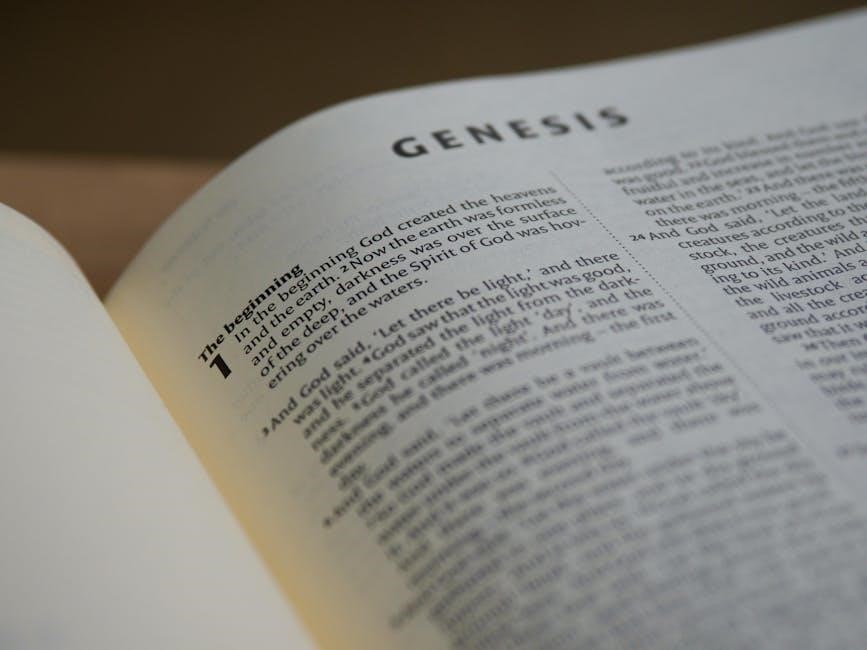
The story of Onan, found in Genesis 38, centers around his brother Er’s death and the subsequent fulfillment of levirate marriage․ Onan was obligated to marry his brother’s widow, Tamar, to raise up seed in Er’s name, ensuring the family lineage continued․ However, Onan deliberately prevented Tamar from conceiving, employing a method described as “spilling his seed on the ground․”
This act was viewed as a rejection of his duty and a disrespect towards God’s command for procreation․ As a consequence, the biblical text states that the Lord took Onan’s life․ The narrative highlights themes of obedience, lineage, and the importance of fulfilling societal and religious obligations, providing a complex moral tale․
Levirate Duty Explained
Levirate marriage, originating from the Latin word “levir” meaning brother-in-law, was an ancient custom detailed in the Book of Deuteronomy․ It mandated that a man marry his deceased brother’s widow if the brother died without leaving a son․ The primary purpose was to maintain the deceased brother’s lineage and inheritance within the family․
This practice ensured the continuation of the family name and prevented land from being sold outside the tribe․ The firstborn son of this union legally belonged to the deceased brother, carrying on his legacy․ Refusal to fulfill this duty carried social and religious consequences, as exemplified in the story of Onan․
Interpretations of Onan’s Actions
Interpretations of Onan’s actions in Genesis 38 vary significantly․ Traditional views condemn his practice of “spilling his seed” as a deliberate act of contraception, violating the levirate duty and disrespecting his brother’s lineage․ Some scholars argue it wasn’t about preventing Tamar’s pregnancy, but avoiding a child who wouldn’t legally be his brother’s heir․
Others suggest Onan’s actions were a form of protest against the entire system, rejecting the obligation to perpetuate a lineage he didn’t believe in․ Regardless, the biblical text clearly portrays God’s displeasure, resulting in Onan’s death, highlighting the sanctity of procreation and familial duty․
Connection to Generator Naming (Speculation)
The choice of “Onan” as a brand name for these generators remains a subject of speculation․ Some theorize it’s a deliberate, albeit provocative, reference to the biblical figure, perhaps ironically highlighting the generator’s role in creating power – a modern form of “seed․” Others suggest it’s purely coincidental, a name chosen for its sound or marketability, with no intended biblical connection․
Given Onan’s story involves a failure to fulfill a duty of continuation, the name could subtly imply reliability and consistent power output, a generator’s core function․ However, this remains largely conjecture, lacking definitive confirmation from the Onan Corporation․

Technical Specifications (Onan 4000)
The Onan 4000 boasts robust specifications, including voltage, frequency, wattage, fuel capacity, and runtime details – essential for optimal performance and usage․
Voltage and Frequency
The Onan 4000 generator is engineered to deliver consistent and reliable power, typically outputting 120/240 volts, accommodating a wide range of appliances and equipment․ Maintaining a stable frequency of 60 Hz is crucial for sensitive electronics, ensuring smooth and efficient operation․ Variations can occur under load, so monitoring is advised․
Understanding these electrical parameters is vital for safe and effective generator use, preventing damage to connected devices and optimizing performance․ Refer to the manual for specific models and load conditions․
Power Output (Watts)
The Onan 4000 generator boasts a running wattage of approximately 4000 watts, capable of powering essential household appliances and tools simultaneously․ Its surge wattage, typically around 4500 watts, handles momentary power demands from devices like motors during startup․
Carefully calculating total wattage requirements before operation prevents overloading, ensuring optimal performance and extending the generator’s lifespan․ The manual details safe operating limits and provides guidance on managing power distribution effectively․
Fuel Capacity
The Onan 4000 generator features a fuel tank capacity of approximately 12 gallons (45․4 liters), enabling extended runtime for uninterrupted power supply․ The manual emphasizes using fresh, unleaded gasoline with a minimum octane rating of 87 for optimal engine performance and longevity․
Proper fuel storage practices, detailed within the PDF, are crucial for maintaining fuel quality and preventing engine issues․ Always refer to the manual for specific fuel recommendations and safety guidelines․
Runtime per Tank
The Onan 4000 generator, with its 12-gallon fuel capacity, typically provides an approximate runtime of 8 to 10 hours at a 50% load․ However, actual runtime varies significantly based on the connected load, ambient temperature, and generator maintenance status․
The PDF manual details load-dependent runtime charts, offering precise estimations for different power demands․ Consistently monitoring fuel levels and adhering to recommended maintenance schedules maximizes runtime efficiency․

Warranty Information
The Onan 4000 generator’s PDF manual outlines warranty coverage, claim procedures, and support contact details for peace of mind and reliable service․
Warranty Coverage Details
The Onan 4000 generator warranty, as detailed in the PDF manual, typically covers defects in materials and workmanship for a specified period from the original purchase date․
Coverage extends to parts and labor needed to repair or replace defective components, but excludes issues arising from misuse, neglect, accidents, or unauthorized modifications․
Specific terms vary based on the generator’s model year and region; the manual clarifies the duration of coverage for engine components, the alternator, and the control panel․
Regular maintenance, as outlined within the manual, is crucial for maintaining warranty validity, ensuring optimal performance and longevity of the Onan 4000․
Claim Procedures
To initiate a warranty claim for your Onan 4000 generator, consult the PDF manual for detailed instructions․ Typically, you must first contact an authorized Onan service dealer with proof of purchase and a description of the issue․
The dealer will diagnose the problem and, if covered, submit a claim on your behalf․
Retain all documentation, including repair orders and correspondence, throughout the process․
The manual outlines specific requirements for claim approval, emphasizing adherence to maintenance schedules and proper generator operation․
Contact Information for Support
For immediate assistance with your Onan 4000 generator, refer to the comprehensive PDF manual․ It lists authorized service centers and dealers near you, providing localized support options․
Cummins, the current owner of the Onan brand, offers a dedicated support hotline and online resources․
Their website provides FAQs, troubleshooting guides, and downloadable manuals․
The manual also includes contact details for warranty claims and technical inquiries, ensuring prompt resolution of any issues you may encounter during operation․

Leave a Reply
You must be logged in to post a comment.