transrectal ultrasound guided prostate biopsy cpt code
Transrectal Ultrasound Guided Prostate Biopsy CPT Coding: A Comprehensive Plan

CPT code 76872 is central to billing for TRUS biopsies, alongside potential codes like 76377 and 55700․ Accurate coding requires understanding technical and professional components․
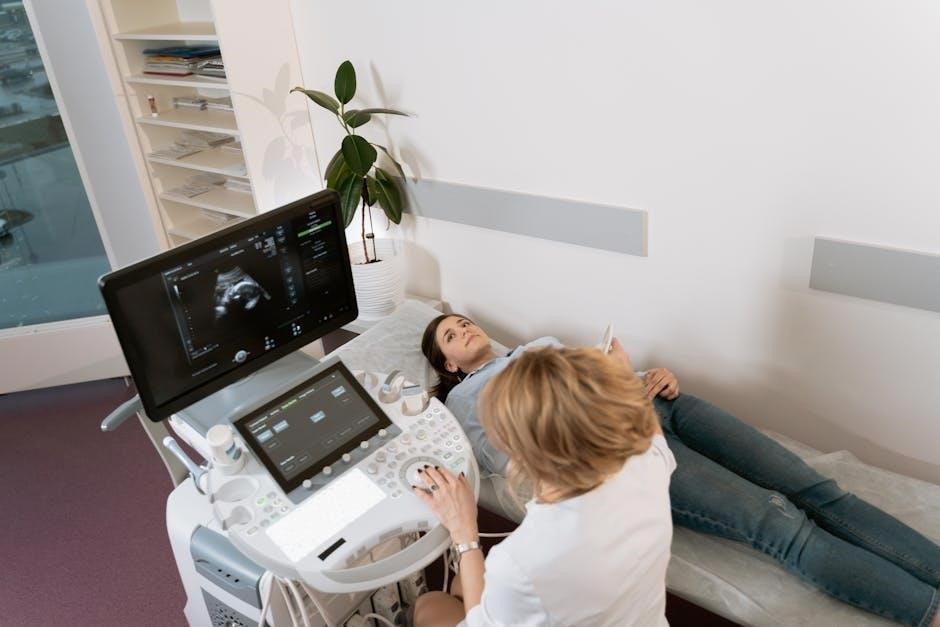
Transrectal Ultrasound (TRUS) guided prostate biopsy is a frequently performed procedure crucial for diagnosing prostate cancer․ Accurate CPT coding is paramount for appropriate reimbursement and avoiding audit scrutiny․ This process involves utilizing specific codes to represent the services rendered during the biopsy, ensuring compliance with payer guidelines – including Medicare – and reflecting the procedure’s complexity․
The core of TRUS biopsy coding revolves around CPT code 76872, representing the transrectal ultrasound imaging itself․ However, a complete and accurate billing picture often necessitates incorporating additional codes․ For instance, CPT code 76377 may be applicable when ultrasound guidance is used for needle placement․ Furthermore, if a cystoscopy is performed concurrently, CPT code 55700 comes into play․
Understanding the distinction between the technical and professional components (TC/PC) of these codes is also vital․ Emerging technologies, like ProstatID and stereotactic transperineal biopsies (currently utilizing temporary code 0137T), introduce further coding nuances․ Staying current with evolving CPT guidelines and payer-specific policies is essential for successful claim submissions․
II․ Understanding CPT Codes in Medical Billing
CPT (Current Procedural Terminology) codes are a standardized system used in medical billing to report medical, surgical, and diagnostic procedures and services to entities like insurers․ These five-digit numeric codes facilitate accurate claim submissions and ensure consistent reimbursement․ For transrectal ultrasound guided prostate biopsies, selecting the correct CPT code(s) is critical for maximizing revenue and minimizing denials․
Codes aren’t simply identifiers; they represent the specific work performed․ CPT 76872, for example, details transrectal ultrasound imaging․ Modifiers, like -26 (technical component) and -27 (professional component), further refine the code’s meaning, distinguishing between the facility fees and the physician’s services․
Proper coding requires a thorough understanding of procedure documentation, payer guidelines, and the nuances of each code․ Temporary codes, such as 0137T for stereotactic biopsies, require careful attention as they are subject to change; Accurate coding minimizes the risk of audits and ensures compliance with regulations, ultimately contributing to a healthy financial practice․
III․ Primary CPT Code: 76872 ⎼ Transrectal Ultrasound
CPT code 76872 represents the core procedure in a transrectal ultrasound guided prostate biopsy: Transrectal ultrasound imaging of the prostate and seminal vesicles․ This code encompasses the diagnostic evaluation of the prostate and surrounding structures, identifying abnormalities potentially indicative of cancer․ It’s the foundational code billed when a TRUS examination is performed, regardless of whether a biopsy is subsequently taken․
However, 76872 alone isn’t always sufficient․ When a biopsy is performed during the ultrasound, additional codes are typically required to accurately reflect the complete service․ The code describes the imaging component, allowing visualization for targeted sampling․
Understanding that 76872 is a diagnostic test is crucial․ It’s often paired with other codes, like 76377 (ultrasound guidance for needle placement) or 55700 (cystoscopy), depending on the specifics of the procedure․ Correct application of 76872 is the first step in comprehensive and compliant billing;
IV․ The Role of 76872 in Prostate Biopsy
CPT code 76872 serves as the foundational element when billing for a transrectal ultrasound (TRUS) guided prostate biopsy․ While it details the ultrasound imaging itself – evaluating the prostate and seminal vesicles for suspicious areas – it’s rarely billed in isolation when a biopsy is performed․ It establishes the medical necessity for the subsequent biopsy procedure․
The code’s role extends beyond simply documenting the imaging․ It provides the visual guidance necessary for accurate needle placement during the biopsy․ Without 76872, demonstrating the clinical indication for the biopsy becomes challenging․ It’s the diagnostic component that justifies the interventional procedure․
However, remember 76872 doesn’t encompass the biopsy itself․ Additional codes, such as 76377 for guidance or potentially 55700 for cystoscopy, are essential for complete and accurate billing․ Properly utilizing 76872 is the crucial first step in a compliant claim․
V․ Technical Component vs; Professional Component (TC/PC)
Understanding the distinction between the Technical Component (TC) and Professional Component (PC) of CPT code 76872 is vital for accurate billing, particularly in facility settings․ The TC, designated by 76872-26, covers the costs associated with the equipment, supplies, and personnel required to perform the ultrasound – the machine, the gel, the sonographer’s time, and facility overhead․
Conversely, the PC, coded as 76872-27, represents the physician’s professional services – the interpretation of the images, the clinical judgment involved in identifying suspicious areas, and the overall medical direction of the procedure․
Hospitals typically bill the TC (76872-26), while the interpreting physician bills the PC (76872-27)․ Incorrectly bundling or separating these components can lead to claim denials․ Knowing who performs which aspect of the service dictates the appropriate coding pathway․
A․ 76872-26 (Technical Component)
CPT code 76872-26 specifically represents the technical component of the transrectal ultrasound․ This encompasses all facility costs directly related to performing the imaging procedure․ These costs include the utilization of the ultrasound equipment itself, the necessary medical supplies like ultrasound gel and probe covers, and the salary/wages of the trained sonographer performing the scan․
Furthermore, 76872-26 accounts for the facility’s overhead expenses – costs like rent, utilities, equipment maintenance, and administrative staff support․ When billing 76872-26, the hospital or facility assumes financial responsibility for these elements․
Accurate documentation of equipment usage, supply consumption, and sonographer time is crucial for supporting claims submitted with this code․ Proper coding ensures appropriate reimbursement for the resources utilized during the TRUS procedure․
B․ 76872-27 (Professional Component)
CPT code 76872-27 signifies the professional component of the transrectal ultrasound․ This code covers the physician’s or qualified healthcare professional’s expertise and skill in interpreting the ultrasound images and providing a diagnostic report․ It includes the physician’s time spent performing the study, analyzing the findings, and formulating a clinical interpretation․
The professional component also encompasses the cognitive work involved in identifying potential abnormalities, assessing their characteristics, and correlating the imaging results with the patient’s clinical history․
Billing 76872-27 requires the physician to directly supervise the procedure or be responsible for the interpretation․ Detailed documentation of the physician’s interpretation, including specific findings and conclusions, is essential for successful claim submission and appropriate reimbursement for their professional services․
VI․ Additional CPT Codes Potentially Used
Beyond CPT code 76872, several other codes may be necessary for complete and accurate billing of a transrectal ultrasound-guided prostate biopsy․ CPT code 76377, representing ultrasound guidance for needle placement, is frequently utilized when biopsies are performed․ This code acknowledges the added skill and precision required to accurately target the prostate for biopsy․
Furthermore, CPT code 55700, for cystoscopy, may be applicable if a cystoscopy is performed during the same encounter, particularly in a hospital setting․ However, careful consideration is needed to avoid inappropriate billing when used with 76872․
Emerging technologies, like stereotactic transperineal prostate biopsy, currently rely on temporary alphanumeric code 0137T, awaiting a permanent CPT code assignment․ Proper documentation justifying the use of any additional code is crucial for successful claim adjudication․
VII․ CPT Code 76377 ⎼ Ultrasound Guidance for Needle Placement
CPT code 76377 specifically describes ultrasound guidance for the placement of a needle, crucial during a transrectal ultrasound-guided prostate biopsy․ This code isn’t simply an add-on; it represents a distinct service requiring focused skill and expertise from the physician․ It acknowledges the real-time visualization and precise targeting necessary to obtain representative tissue samples from the prostate․
When a biopsy is performed, the radiologist or physician utilizes the ultrasound images to guide the biopsy needle to specific areas of concern identified during the CPT code 76872 transrectal ultrasound․
Appropriate use of 76377 depends on whether guidance was actually utilized during the procedure․ Documentation must clearly support the medical necessity and performance of ultrasound-guided needle placement to ensure successful reimbursement․
VIII․ When to Use 76377 in Conjunction with 76872
CPT code 76377 is frequently, but not always, billed alongside CPT code 76872 during a transrectal ultrasound-guided prostate biopsy․ The key determinant is whether real-time ultrasound guidance was actively used to direct the biopsy needle․ If the biopsy is performed systematically without image guidance for each core, 76377 would not be appropriate․
However, if the physician uses ultrasound to visualize and target specific lesions or suspicious areas within the prostate – as often occurs with ProstatID or when targeting areas identified on MRI – then 76377 is justified․
Essentially, 76872 covers the diagnostic ultrasound examination, while 76377 represents the interventional component of guiding the needle․ Proper documentation detailing the use of real-time guidance is paramount for successful claim adjudication and avoiding potential audit scrutiny․
IX․ CPT Code 55700 ⏤ Cystoscopy
CPT code 55700, representing cystoscopy, can be relevant when performed in conjunction with a transrectal ultrasound-guided (TRUS) prostate biopsy․ Its inclusion depends on the clinical indication and documentation․ If a cystoscopy is performed solely to rule out bladder cancer or assess the urethra prior to the biopsy, it may be separately reportable․
However, if the cystoscopy is integral to the biopsy procedure – for example, to visualize the prostatic urethra and guide needle placement – it may be considered bundled into CPT code 76872․
Billing considerations are crucial; some payers may deny 55700 when billed with 76872 in an outpatient hospital setting․ Thorough documentation justifying the medical necessity of a separate cystoscopy is essential for successful reimbursement․ Always verify payer-specific guidelines․
A․ Relevance of 55700 to TRUS Biopsy Procedures
CPT code 55700, denoting cystoscopy, gains relevance in TRUS biopsy procedures when addressing potential urinary obstruction or hematuria․ It allows direct visualization of the urethra and bladder neck, aiding in differentiating biopsy-related issues from pre-existing conditions․ This is particularly important when evaluating patients with prior pelvic surgery or known urethral strictures․
Furthermore, cystoscopy can assist in identifying the anatomical landmarks necessary for accurate biopsy targeting, though this is less common․ Its primary role is diagnostic – ruling out other pathologies that might mimic or complicate biopsy findings․
However, it’s vital to remember that simply performing a cystoscopy alongside a TRUS biopsy doesn’t automatically justify separate billing․ The documentation must clearly demonstrate the cystoscopy’s independent medical necessity and contribution to the overall patient care plan․
B․ Billing Considerations for 55700 and 76872
Billing 55700 alongside 76872 requires careful attention to payer guidelines․ Medicare, for instance, may deny 55700 when performed solely for pre-biopsy evaluation, especially in the hospital setting․ Clear documentation justifying the independent medical necessity of the cystoscopy is crucial․ The record must demonstrate a specific clinical indication, such as hematuria or suspected obstruction, unrelated to the biopsy itself․
Commercial payers often have similar stipulations, so verifying coverage policies beforehand is recommended․ Bundling concerns are also prevalent; some payers may consider cystoscopy integral to the biopsy procedure, denying separate reimbursement․
When billing, ensure accurate modifier usage to distinguish between services․ Proper coding and detailed documentation are essential to avoid claim denials and potential audit scrutiny․ Consider the place of service (POS) as hospital settings may have different rules․
X․ Temporary Codes & Emerging Technologies
Emerging technologies in prostate biopsy, like stereotactic transperineal approaches, often lack dedicated permanent CPT codes․ Currently, alphanumeric code 0137T is utilized for tracking and billing these procedures․ However, it’s a temporary measure, subject to change as the American Medical Association (AMA) evaluates the need for a standard CPT code․
Reliance on temporary codes introduces billing complexities․ Payers may have varying coverage policies for procedures reported with alphanumeric codes, potentially leading to claim denials or delays․ Staying informed about payer-specific guidelines is vital․
The evolution of biopsy techniques, including MR-guided approaches, necessitates continuous monitoring of CPT code updates․ ProstatID, enhancing diagnostic accuracy, doesn’t have a specific code but impacts how existing codes are applied․ Vigilance regarding new technologies and coding changes is crucial for accurate reimbursement․
XI․ Alphanumeric Code 0137T ⎼ Stereotactic Transperineal Prostate Biopsy
Alphanumeric code 0137T specifically addresses stereotactic transperineal prostate biopsy, a technique gaining traction as an alternative to the traditional transrectal ultrasound (TRUS) guided biopsy․ This temporary code is crucial as a permanent CPT code is still pending evaluation by the AMA․
Using 0137T requires meticulous documentation detailing the stereotactic approach, including imaging guidance and precise needle placement․ Payers utilize this code for tracking procedure volume and outcomes, informing potential future CPT code creation․
However, billing with 0137T presents challenges․ Coverage varies significantly among insurers, and claim denials are common due to its temporary status․ Thorough payer research and pre-authorization are highly recommended․ Accurate coding and detailed documentation are essential to maximize reimbursement potential for this evolving procedure․
XII․ Medicare & Payer Specific Guidelines
Medicare presents unique challenges for TRUS biopsy coding, often denying claims for procedures deemed bundled or lacking sufficient documentation․ Medicare generally does not allow for separate reimbursement of certain components when billed together, requiring careful code selection․
Beyond Medicare, individual payers exhibit diverse guidelines․ Some may require pre-authorization for CPT codes 76872, 76377, and 55700, while others may have specific criteria for medical necessity․ Understanding these nuances is critical for successful claim submission․
Always verify payer policies regarding the use of the technical (-26) and professional (-27) components․ Some payers may prefer or require one over the other․ Proactive payer research and adherence to their specific guidelines significantly improve claim acceptance rates and minimize denials․
XIII․ Hospital vs․ Outpatient Setting Coding Differences
Coding for TRUS biopsies differs significantly between hospital and outpatient settings․ In a hospital setting (Place of Service 21), CPT code 55700 (cystoscopy) may be payable when performed concurrently with 76872, a scenario often restricted in outpatient facilities․
Outpatient facilities (POS 11) typically focus on the core procedure, CPT 76872, and any associated guidance code like 76377․ Bundling rules are stricter, potentially denying reimbursement for 55700 if not explicitly documented as medically necessary and separately identifiable․
Hospital coding allows for more comprehensive billing, reflecting the broader scope of services․ However, increased scrutiny accompanies this, demanding meticulous documentation to justify all billed codes․ Accurate Place of Service reporting is crucial to avoid claim rejections and ensure appropriate reimbursement based on the setting of care․
XIV․ Documentation Requirements for Accurate Coding
Comprehensive documentation is paramount for accurate CPT coding of TRUS biopsies․ The medical record must clearly justify the use of CPT 76872, detailing the clinical indication for the ultrasound and biopsy․ If CPT 76377 (ultrasound guidance) is billed, the report must explicitly state its utilization during needle placement․

When CPT 55700 (cystoscopy) is performed, documentation must demonstrate its medical necessity – not simply a routine component of the procedure․ Detailed descriptions of findings during both the ultrasound and cystoscopy are essential․
For procedures utilizing temporary code 0137T (stereotactic biopsy), supporting documentation outlining the rationale for using an unlisted code is vital․ Proper documentation supports claims, minimizes audit risk, and ensures appropriate reimbursement for services rendered․
XV․ Coding for Biopsies of Seminal Vesicles
Coding biopsies of the seminal vesicles performed during a TRUS biopsy requires careful consideration․ While CPT 76872 covers the transrectal ultrasound guidance, obtaining a separate biopsy of the seminal vesicle doesn’t automatically trigger an additional primary CPT code․
Documentation must clearly indicate if the seminal vesicle biopsy was performed due to a suspicious mass or other clinically significant finding․ If the biopsy is integral to evaluating a prostate cancer concern, it’s generally considered part of the overall 76872 procedure․
However, if the seminal vesicle biopsy addresses a distinct, unrelated pathology, additional coding might be appropriate, depending on payer guidelines․ Thorough documentation justifying the medical necessity of the seminal vesicle biopsy is crucial for successful claim adjudication․
XVI․ Coding for Multiple Biopsies
CPT code 76872, for transrectal ultrasound-guided prostate biopsy, doesn’t have a modifier for simply taking multiple core biopsies․ The code inherently encompasses a biopsy procedure, and increasing the number of cores doesn’t warrant an additional code or modifier․
However, the extent of the biopsy – whether systematic or targeted – is vital documentation․ If ProstatID or MRI fusion guidance (potentially coded with 76377) significantly expands the scope and complexity beyond a standard systematic biopsy, this should be reflected in operative notes․
Payers generally don’t reimburse separately for increased core numbers․ Focus on accurately documenting the clinical rationale for the biopsy extent and any advanced imaging guidance used․ Proper documentation supports medical necessity and justifies the billed service, even with numerous cores obtained during the 76872 procedure․
XVII․ ProstatID and its Impact on Coding

ProstatID represents a significant advancement in prostate biopsy, utilizing three-dimensional views synthesized from multiparametric MRI․ This technology enhances diagnostic accuracy and guides biopsy needle placement, potentially impacting CPT coding․
While CPT code 76872 (Transrectal Ultrasound) remains the primary code for the procedure, CPT code 76377 (Ultrasound Guidance for Needle Placement) is often appropriately billed in conjunction with 76872 when ProstatID is used․ This reflects the increased complexity and precision afforded by the fusion guidance․
Documentation must clearly demonstrate the use of ProstatID and its role in targeting suspicious lesions identified on MRI․ Simply stating “fusion biopsy” isn’t sufficient; detail the integration of MRI findings with real-time ultrasound imaging․ Accurate coding reflects the enhanced service provided, supporting appropriate reimbursement for this advanced technique․
XVIII․ MR-Guided Biopsy vs․ TRUS-Guided Biopsy Coding
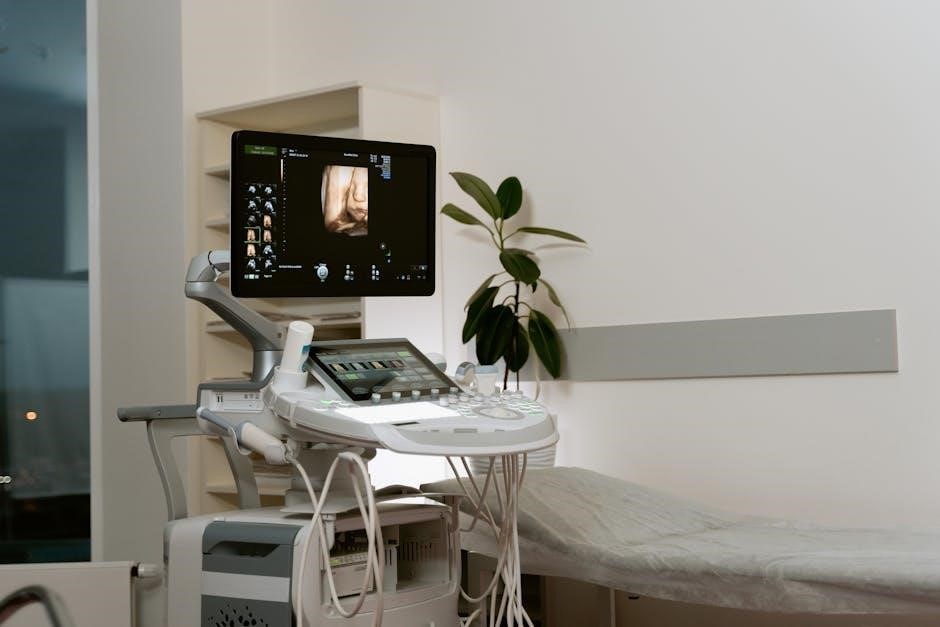
Coding differs significantly between MR-guided and traditional TRUS-guided prostate biopsies․ While CPT code 76872 remains the foundation for TRUS procedures, MR-guided biopsies often require different coding strategies․
MR-guided biopsies frequently utilize CPT code 76872 in conjunction with other codes reflecting the MRI component and image fusion․ Currently, there isn’t a dedicated CPT code for stereotactic transperineal prostate biopsy; alphanumeric code 0137T is used temporarily․
The complexity of MR-guided procedures, involving pre-procedure MRI scans and real-time fusion imaging, often justifies higher-level evaluation and management (E/M) coding․ Thorough documentation detailing the MRI interpretation, fusion process, and targeted biopsy locations is crucial for accurate billing and avoiding payer denials․ Understanding these distinctions is vital for maximizing appropriate reimbursement․
XIX․ Infection Control & Ultrasound Probe Disinfection Coding
Infection control protocols are paramount during TRUS biopsies, and while there isn’t a specific CPT code directly for ultrasound probe disinfection, meticulous documentation is essential․ CPT code 76872 covers the procedure itself, but related costs for infection prevention must be appropriately addressed․
Facilities should adhere to strict high-level disinfection (HLD) guidelines, and CIVCO Specialities offers expertise in this area․ Costs associated with HLD solutions, reprocessing equipment, and staff time can be bundled into the technical component (76872-26) or reported separately based on payer policies․
Detailed records of probe reprocessing, including disinfectant type, contact time, and personnel responsible, are vital for audit defense․ Proper coding reflects a commitment to patient safety and compliance with regulatory standards, minimizing risk and ensuring appropriate reimbursement for comprehensive care․
XX․ Avoiding Coding Errors & Audits
Accurate CPT coding for TRUS biopsies is crucial to avoid claim denials and potential audits․ Common errors include incorrect use of CPT code 76872, improper bundling or unbundling of codes like 76377 and 55700, and insufficient documentation to support medical necessity․
Payers, particularly Medicare, scrutinize these procedures․ Ensure clear documentation details the indications for biopsy, findings during the ultrasound, the number and location of biopsies taken, and any additional procedures performed (like seminal vesicle biopsies)․
Staying updated on CPT code changes and payer-specific guidelines is essential․ Regularly review coding guidelines and consider professional coding education․ Robust internal audits can proactively identify and correct errors, minimizing audit risk and maximizing appropriate reimbursement for services rendered․
XXI․ The Importance of CIVCO Specialities in TRUS Procedures
CIVCO Specialities plays a vital role in optimizing TRUS procedures and, consequently, accurate CPT coding․ Their expertise centers on critical aspects like infection control and high-level disinfection of ultrasound probes – essential for patient safety and minimizing complications post-biopsy․

Proper needle and device guidance systems offered by CIVCO enhance precision during biopsy, potentially impacting the need for additional imaging or repeat procedures․ This precision can influence code selection, particularly when considering CPT code 76377 for ultrasound guidance․
By providing tools for streamlined workflows and improved visualization, CIVCO contributes to better documentation, supporting accurate code assignment for procedures utilizing CPT code 76872 and related services․ Adherence to CIVCO’s best practices can bolster audit defense and ensure appropriate reimbursement․
XXII․ Common Coding Mistakes to Avoid
Several coding errors frequently occur with transrectal ultrasound guided prostate biopsies․ A common mistake is inappropriately billing CPT code 76872 with CPT code 76942; the latter should not be billed when 76872 is already reported․
Incorrectly separating or bundling the technical (-26) and professional (-27) components of CPT code 76872 is another frequent error․ Failing to utilize temporary codes like 0137T when performing stereotactic transperineal biopsies can lead to claim denials․
Overlooking the potential need for CPT code 76377 when ultrasound guidance is utilized for needle placement is also problematic․ Inadequate documentation supporting medical necessity and the services rendered is a significant cause of audit vulnerabilities․ Always verify payer-specific guidelines, as Medicare has specific rules․
XXIII․ Staying Updated with CPT Code Changes
The landscape of CPT coding, particularly for procedures like transrectal ultrasound guided prostate biopsies, is constantly evolving․ Temporary codes, such as 0137T for stereotactic approaches, are subject to change or replacement with permanent codes․ Regularly monitoring updates from the American Medical Association (AMA) is crucial․
Payer-specific guidelines, including those from Medicare, frequently undergo revisions impacting reimbursement for CPT codes 76872, 76377, and 55700․ Staying informed about these changes prevents claim denials and ensures accurate billing․

Subscribing to coding newsletters, attending industry webinars, and participating in professional coding organizations are effective strategies․ Proactive monitoring minimizes coding errors and maximizes appropriate reimbursement for these increasingly complex procedures․ Ignoring updates can lead to significant financial losses․
XXIV․ Resources for Accurate CPT Coding Information
Accurate CPT coding for transrectal ultrasound guided prostate biopsies relies on accessing reliable resources․ The American Medical Association (AMA) website ([https://www․ama-assn․org/](https://www․ama-assn․org/)) provides the official CPT code book and updates․
Medicare’s website ([https://www․cms․gov/](https://www․cms․gov/)) offers specific guidelines and coverage determinations impacting codes like 76872, 76377, and 55700․ Coding newsletters from organizations like the American Academy of Professional Coders (AAPC) ([https://www․aapc․com/](https://www․aapc․com/)) deliver timely updates․
CIVCO Specialities, a provider of equipment for TRUS procedures, may offer coding support resources․ Online forums and professional coding communities facilitate knowledge sharing․ Utilizing these resources ensures compliance and maximizes appropriate reimbursement, especially with evolving technologies and temporary codes like 0137T․


Leave a Reply
You must be logged in to post a comment.