
cessna 172s parts manual
Cessna 172S Parts Manual: A Comprehensive Overview
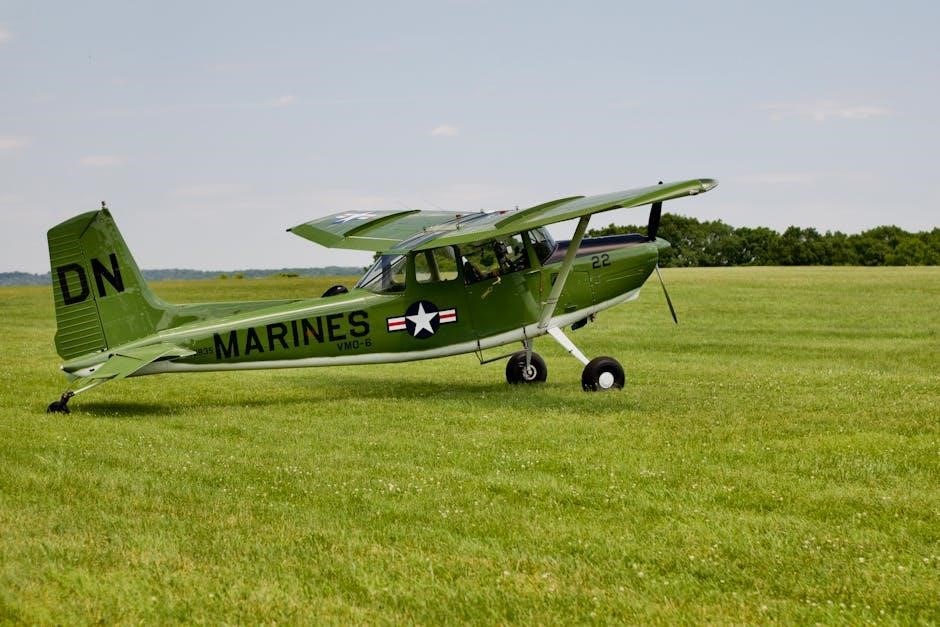
The Cessna 172S parts manual is a vital resource, detailing every component for maintenance, repair, and identification purposes; ensuring safe operation.
The Cessna 172S Skyhawk stands as one of the most recognizable and widely flown aircraft globally, renowned for its reliability and ease of operation. Its enduring popularity necessitates readily available and comprehensive documentation, with the parts manual being paramount among these resources. These manuals aren’t merely lists; they are critical tools for pilots, mechanics, and owners alike.
Understanding the specific model – the ‘S’ designation denotes features like fuel injection – is crucial when referencing the correct manual. Cessna provides a suite of publications, including the Pilot Operating Handbook (POH), Maintenance Manual, and, crucially, the Illustrated Parts Catalog (IPC). The IPC is the core of identifying and sourcing replacement components. Proper utilization of these manuals ensures adherence to safety standards and regulatory compliance, extending the aircraft’s service life and maintaining optimal performance.
Importance of a Parts Manual for Maintenance
A Cessna 172S parts manual isn’t simply a convenience; it’s a necessity for safe and legally compliant aircraft maintenance. Accurate identification of components is paramount, preventing the installation of incorrect parts which could lead to catastrophic failure. The manual provides detailed diagrams and part numbers, eliminating guesswork during repairs and inspections.
Regular maintenance, dictated by regulations and manufacturer recommendations, relies heavily on the IPC. Scheduled inspections require precise knowledge of component locations and specifications. Furthermore, the manual aids in troubleshooting, allowing technicians to pinpoint faulty parts efficiently. Utilizing the correct parts, sourced using the manual’s information, ensures continued airworthiness and protects the investment in the aircraft, upholding its value and operational integrity.
Understanding Cessna 172S Systems
The Cessna 172S comprises interconnected systems – airframe, engine, propeller, landing gear, and avionics – each requiring specific parts detailed within the manual.
Airframe Components and Parts
The Cessna 172S airframe is a meticulously engineered structure, and its parts manual provides exhaustive detail. This includes the fuselage, wings, empennage (tail section), and control surfaces like ailerons, elevators, and rudder.
Each component is broken down into individual parts, with precise diagrams and part numbers for everything from skin panels and stringers to bulkheads and longerons; Fasteners – bolts, rivets, screws – are also comprehensively listed. The manual specifies materials used, such as aluminum alloys and steel, and details inspection criteria.
Understanding the airframe’s construction is crucial for repairs, modifications, and ensuring structural integrity. The parts manual facilitates accurate ordering of replacement parts, minimizing downtime and maintaining airworthiness. Proper identification of each component is paramount for safe and effective maintenance procedures.
Engine (Lycoming IO-360) Parts Breakdown
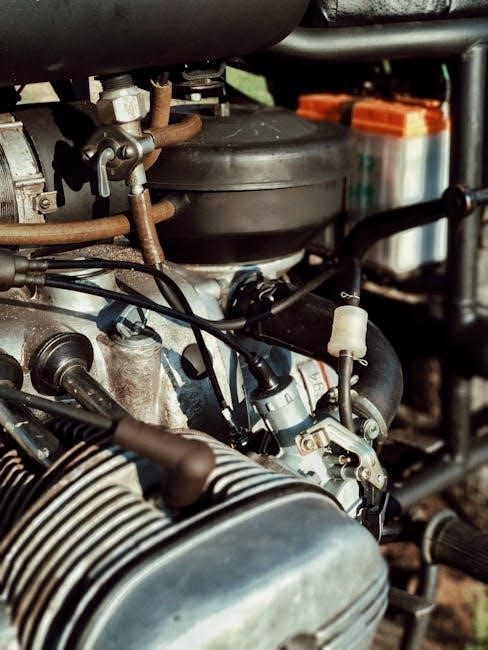
The Lycoming IO-360 engine, powering the Cessna 172S, is thoroughly documented within the parts manual. It details every internal component, from the crankshaft and camshaft to pistons, cylinders, and valves.
The manual provides exploded views illustrating the assembly sequence and precise locations of each part. Fuel and oil system components – pumps, injectors, lines, filters – are individually listed with corresponding part numbers. Ignition system parts, including magnetos, spark plugs, and wiring harnesses, are also comprehensively covered.
Detailed specifications for gaskets, seals, and bearings are included, ensuring correct replacement. This breakdown is essential for overhauls, repairs, and maintaining optimal engine performance and reliability.
Propeller Assembly and Specific Parts
The Cessna 172S parts manual dedicates a significant section to the propeller assembly, a critical component for thrust generation. Detailed diagrams showcase the complete assembly, including the hub, blades, spinner, and de-ice boots (if equipped).
Each blade is individually cataloged, specifying length, pitch, and material composition. The manual lists all associated hardware – bolts, nuts, washers, and retaining rings – with precise torque specifications. Detailed views illustrate the internal construction of the hub, including bearings and seals.
Information on propeller governor components and speed control units is also included, vital for maintaining correct RPM. This section is crucial for inspections, repairs, and ensuring safe propeller operation.
Landing Gear System – Parts Identification
The Cessna 172S parts manual provides exhaustive detail regarding the landing gear system, a crucial element for safe ground operations. It meticulously illustrates the main landing gear struts, wheel assemblies, brakes, and associated components.
Detailed breakdowns showcase each strut’s internal structure, including cylinders, seals, and bushings, alongside specific part numbers for overhaul and replacement. Wheel assemblies are similarly dissected, identifying tires, tubes, wheels, and bearings.
Brake system components – discs, calipers, and hydraulic lines – are clearly labeled with diagrams. Nose gear components, including the steering linkage and shock absorber, are also comprehensively covered.
Avionics and Electrical System Components
The Cessna 172S parts manual dedicates significant attention to the avionics and electrical systems, vital for flight control and navigation. It meticulously details each component, from the radio units and transponder to the navigation systems and associated wiring harnesses.
Detailed illustrations showcase the internal construction of radios, intercoms, and GPS units, alongside specific part numbers for repair or replacement. Wiring diagrams trace the electrical pathways throughout the aircraft, identifying connectors, circuit breakers, and fuses.
The manual also covers essential electrical components like the battery, alternator, and voltage regulator, ensuring proper system functionality. Lighting systems, including navigation and landing lights, are also thoroughly documented.

Navigating the Cessna 172S Parts Manual
Effectively utilizing the Cessna 172S parts manual requires understanding its structure, part numbering, diagrams, and revision history for accurate identification.
Illustrated Parts Catalog (IPC) Structure
The Cessna 172S Illustrated Parts Catalog (IPC) is meticulously organized to facilitate efficient parts identification and ordering. Typically, the IPC is divided into major system sections – airframe, engine, landing gear, avionics, and so forth. Within each section, components are broken down into logical assemblies and sub-assemblies.
Each illustration presents a detailed visual representation of the assembly, with numbered callouts corresponding to a parts list. This list provides the Cessna part number, description, quantity used, and any applicable notes. The IPC’s hierarchical structure allows users to quickly navigate from a broad system overview to specific component details. Cross-referencing is also common, linking related parts or assemblies.
Regular revisions ensure the IPC reflects engineering changes and part updates, making it crucial to use the latest version.
Part Numbering System Explained
Cessna utilizes a standardized part numbering system within the 172S IPC, crucial for accurate identification and ordering. Typically, a Cessna part number consists of several segments, each conveying specific information about the component. The initial characters often indicate the manufacturer or source of the part – Cessna itself, or an approved vendor.
Subsequent digits define the part’s specific application and configuration, differentiating between variations for different 172S models or production years. Dash numbers (-XXX) frequently denote minor revisions or material changes. Understanding this system is vital for avoiding ordering errors and ensuring compatibility.
Consulting the IPC’s introductory section provides a detailed breakdown of the numbering convention, clarifying the meaning of each segment.
Key Figures and Diagrams in the Manual
The Cessna 172S Parts Manual heavily relies on detailed illustrations and exploded views to depict component assemblies. These figures aren’t merely visual aids; they are integral to understanding the relationship between parts and their correct installation. Each illustration is meticulously numbered, corresponding directly to the parts list provided alongside.
Pay close attention to sectional views, which reveal internal components not visible in standard depictions. Diagrams often highlight critical dimensions and tolerances, essential for accurate repairs or modifications.
Mastering the interpretation of these visuals significantly reduces errors during maintenance and ensures the use of the correct replacement parts.
Revision and Update Information
Cessna continually updates the 172S Parts Manual to reflect design changes, service bulletins, and component improvements. Each revision is documented with a date and revision number, prominently displayed on the cover and within the manual’s introductory pages. It’s crucial to verify you possess the latest version before undertaking any maintenance.
Updates often address superseded part numbers, clarifying replacements for discontinued items. Supplementary documentation, like Service Letters, may also be referenced, providing additional guidance.
Regularly checking Cessna’s official website for revision notices is recommended to ensure your manual remains current and accurate, safeguarding proper aircraft maintenance.

Essential Parts and Common Replacements
Frequently replaced Cessna 172S parts include brake components, control cables, fuel system filters, and oil system filters, ensuring continued airworthiness.
Control Cables and Associated Hardware
Cessna 172S control cables are critical flight components, demanding meticulous inspection and replacement according to scheduled maintenance intervals. These cables, responsible for aileron, elevator, and rudder control, experience wear from constant use and environmental factors. The parts manual details specific cable routing, tensioning procedures, and acceptable wear limits.
Associated hardware, including turnbuckles, pulleys, and cable ends, must also be carefully examined for corrosion, fraying, or damage. Proper lubrication is essential to minimize friction and ensure smooth operation. The manual provides detailed diagrams illustrating the correct installation of each component, alongside precise part numbers for accurate replacements. Regularly checking for proper cable travel and security is paramount for flight safety. Utilizing the illustrated parts catalog (IPC) streamlines the identification and ordering of necessary hardware, guaranteeing compatibility and adherence to Cessna’s specifications.
Brake System Components – Discs, Calipers, Lines
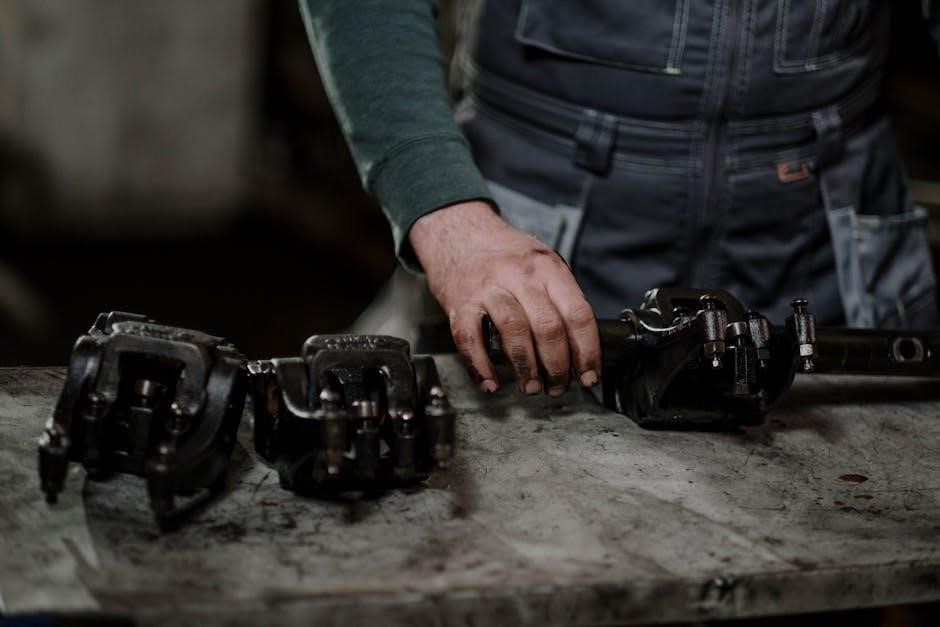
The Cessna 172S brake system relies on precise components – discs, calipers, and hydraulic lines – for reliable stopping power. The parts manual meticulously details each element, providing exploded views and part numbers for easy identification. Brake discs exhibit wear over time, necessitating periodic inspection for thickness and surface condition. Calipers, responsible for clamping force, require attention to piston seals and slider pins to prevent sticking.
Hydraulic lines, crucial for transmitting brake pressure, are susceptible to leaks and corrosion. The manual outlines proper flushing procedures and acceptable line conditions. Regular inspection of brake fluid levels and condition is vital. Utilizing the IPC ensures correct replacement parts, maintaining system integrity. Detailed diagrams illustrate proper assembly and bleeding procedures, guaranteeing optimal braking performance and pilot safety. Adhering to the manual’s recommendations is paramount for preventing brake failure.
Fuel System Parts – Pumps, Lines, Filters
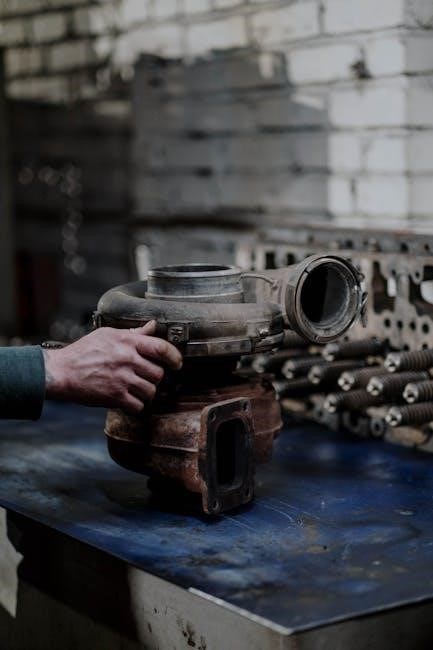
The Cessna 172S fuel system, detailed within the parts manual, comprises pumps, lines, and filters – all critical for engine operation. The manual provides comprehensive breakdowns of each component, including precise part numbers and illustrative diagrams. Fuel pumps, responsible for delivering fuel from the tanks, require periodic inspection for proper pressure and flow. Fuel lines, susceptible to cracking and leaks, demand careful examination for integrity.
Fuel filters are essential for preventing contaminants from reaching the engine, necessitating regular replacement. The IPC specifies filter types and change intervals. Proper fuel line routing and secure connections are vital to avoid fuel starvation or leaks. Detailed schematics illustrate the complete fuel system layout. Utilizing the manual ensures correct parts and procedures, maintaining optimal engine performance and safety. Strict adherence to maintenance schedules is paramount for reliable operation.
Oil System Components – Filters, Lines, Cooler
The Cessna 172S oil system, meticulously documented in the parts manual, features filters, lines, and a cooler – crucial for engine longevity. The manual offers detailed exploded views and part numbers for each component. Oil filters, vital for removing contaminants, require scheduled replacements as outlined in the maintenance schedule. Oil lines, prone to wear and leaks, necessitate regular inspection for cracks and secure connections.
The oil cooler, responsible for maintaining optimal oil temperature, demands attention to fin damage and blockage. The Illustrated Parts Catalog (IPC) details cooler specifications and repair procedures. Proper oil line routing and clamping are essential to prevent restrictions or leaks. Utilizing the manual ensures correct parts and procedures, maximizing engine life and reliability. Consistent monitoring of oil pressure and temperature is paramount for safe operation.
Sourcing Cessna 172S Parts
Obtaining Cessna 172S parts involves authorized dealers, surplus options, and online retailers; careful consideration of used parts is essential for safety.
Authorized Cessna Parts Dealers
Authorized Cessna parts dealers represent the most reliable source for genuine components, ensuring strict adherence to manufacturer specifications and quality control standards. These dealers maintain direct relationships with Cessna, providing access to the latest revisions and updates for the 172S parts manual and associated parts.
Benefits of utilizing authorized dealers include guaranteed compatibility, traceability of parts, and access to expert technical support. While often representing a higher initial cost compared to alternative sources, the long-term value derived from genuine parts—enhanced safety, reduced maintenance downtime, and preservation of aircraft value—typically outweighs the price difference.
Locating an authorized dealer is facilitated through Cessna’s official website, which provides a comprehensive directory searchable by location. Dealers frequently offer online ordering capabilities and maintain substantial inventories of commonly requested parts, streamlining the procurement process for aircraft owners and maintenance personnel.
Salvage and Surplus Parts Options
Salvage and surplus parts present a cost-effective alternative for Cessna 172S maintenance, particularly for components not subject to stringent airworthiness requirements. These parts are typically sourced from aircraft undergoing disassembly, insurance write-offs, or overstock from repair facilities. However, careful inspection and documentation are paramount when considering such options.
Utilizing salvage parts necessitates a thorough understanding of the Cessna 172S parts manual to verify compatibility and identify potential limitations. Airworthiness Directives (ADs) and Service Bulletins must be checked to ensure the part hasn’t been superseded or recalled. Proper tagging and traceability are crucial for maintaining a complete maintenance record.
While offering significant savings, salvage parts require increased scrutiny and may necessitate additional inspection or overhaul before installation. A qualified mechanic’s assessment is essential to confirm airworthiness and ensure safe operation.
Online Parts Retailers and Marketplaces
Numerous online retailers and marketplaces specialize in Cessna 172S parts, offering convenience and a broad selection. These platforms range from dedicated aviation parts suppliers to general marketplaces featuring aircraft components. Popular options include websites specializing in aircraft parts, offering detailed catalogs and search functionalities linked to the Cessna 172S parts manual.
When sourcing parts online, verifying the retailer’s reputation and ensuring they are FAA-approved is crucial; Carefully review part numbers, condition reports, and return policies before making a purchase. Cross-referencing with the Illustrated Parts Catalog (IPC) is essential to confirm compatibility.
Marketplaces can offer competitive pricing, but require diligent vetting of sellers and parts. Always prioritize traceability and documentation to maintain airworthiness records.
Considerations for Used Parts
Utilizing used Cessna 172S parts can be a cost-effective solution, but demands careful consideration and adherence to regulations. Thorough inspection is paramount; parts must meet airworthiness standards and possess complete documentation, including maintenance records and traceability. The Cessna 172S parts manual is invaluable for verifying part numbers and applicability.
Prioritize parts from reputable salvage sources with established inspection procedures. Evaluate wear and tear, corrosion, and potential damage. Overhaul or refurbishment may be necessary before installation, adding to the overall cost. Always consult with a certified mechanic to assess the suitability of used parts.
Proper documentation is critical for maintaining airworthiness and passing inspections. Ensure all used parts are accompanied by the necessary paperwork.
Maintenance and Troubleshooting with the Manual
The Cessna 172S parts manual streamlines maintenance, enabling precise part location for scheduled checks and efficient troubleshooting of operational issues.
Locating Parts for Scheduled Maintenance
Utilizing the Cessna 172S parts manual during scheduled maintenance is paramount for accuracy and efficiency. The Illustrated Parts Catalog (IPC) provides a structured approach, allowing technicians to quickly pinpoint the exact component required for each inspection interval.
By referencing the manual’s detailed diagrams and part numbering system, the correct replacement parts can be identified, minimizing downtime and ensuring compliance with maintenance schedules. This proactive approach prevents potential issues before they escalate, contributing to the aircraft’s continued airworthiness.
The manual’s revision history is crucial; verifying the latest updates guarantees the parts listed are current and compatible with the specific aircraft configuration. Proper part identification avoids incorrect installations, safeguarding both the aircraft and its occupants. Regularly consulting the manual is a cornerstone of responsible aircraft ownership and operation.
Using the Manual for Troubleshooting Issues
The Cessna 172S parts manual is an invaluable tool when diagnosing and resolving aircraft malfunctions. Its exploded views and detailed parts lists enable technicians to trace system components, identifying potential failure points with precision. When faced with an issue, the manual facilitates a systematic approach to troubleshooting.
By cross-referencing symptoms with the IPC, the source of the problem can often be isolated to a specific part or assembly. This minimizes unnecessary component replacement and reduces repair costs. The manual’s part numbering system allows for accurate ordering of replacement parts, ensuring compatibility and proper fit.
Furthermore, the manual often includes inspection details and overhaul procedures, guiding technicians through the repair process. Utilizing the manual correctly ensures a safe and effective resolution to any technical challenge.
Component Overhaul and Inspection Details
The Cessna 172S parts manual extends beyond simple parts identification, providing crucial overhaul and inspection guidance. Detailed procedures outline step-by-step disassembly, inspection criteria, and reassembly instructions for numerous components. These details are essential for maintaining airworthiness and extending component lifespan.
The manual specifies tolerance limits, wear limits, and acceptable repair methods, ensuring that all work meets Cessna’s stringent standards. It often includes torque specifications, lubrication requirements, and safety precautions. Technicians can confidently perform complex tasks, knowing they are following approved procedures.

Furthermore, the manual details required inspections during overhaul, highlighting critical areas prone to failure. This proactive approach minimizes the risk of in-service issues and enhances overall aircraft reliability.
Tools and Equipment Required for Parts Replacement
The Cessna 172S parts manual doesn’t just list parts; it implicitly guides technicians on necessary tooling. While not exhaustive, it often references specialized tools needed for specific component removals and installations. Standard aviation toolsets are foundational, including torque wrenches, screwdrivers, pliers, and socket sets, all calibrated for precision.
Beyond basics, certain systems demand unique equipment. Engine work requires compression testers, cylinder bore gauges, and valve spring testers. Landing gear maintenance may necessitate hydraulic presses and specialized pullers. Avionics demand multimeter and cable testing tools.
The manual’s diagrams frequently illustrate tool usage, providing visual cues. Always consult the Aircraft Maintenance Manual (AMM) for a complete tooling list and safety protocols before commencing any repair.


Leave a Reply
You must be logged in to post a comment.